
Winter Wildlife Care: Providing Food and Medical Support for Alberta’s Wildlife
Winner
Details
Southern Alberta
$2,000 awarded
The Idea
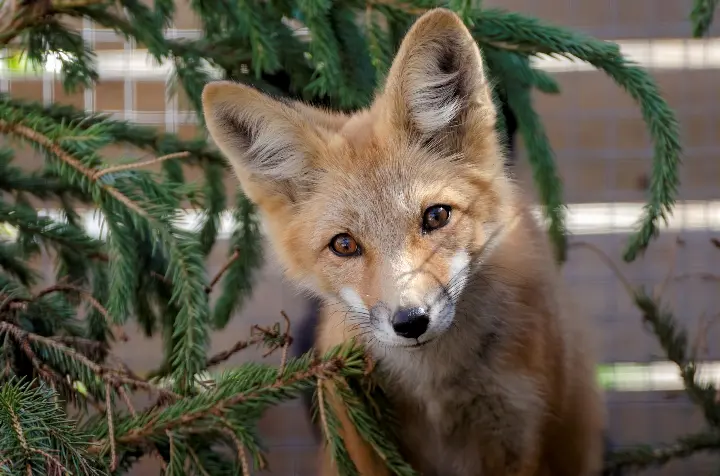
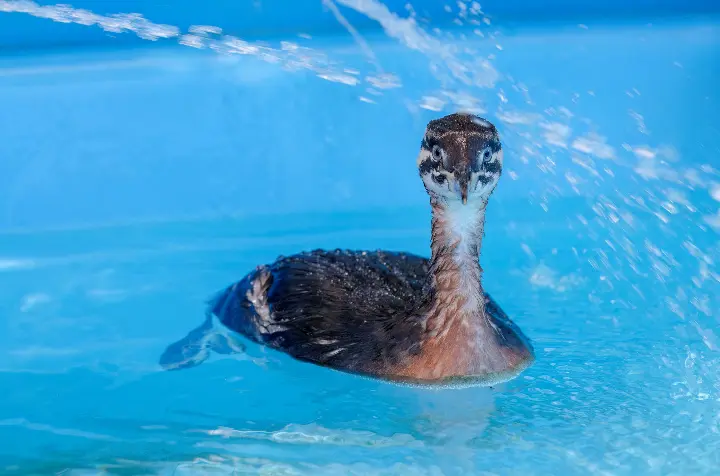
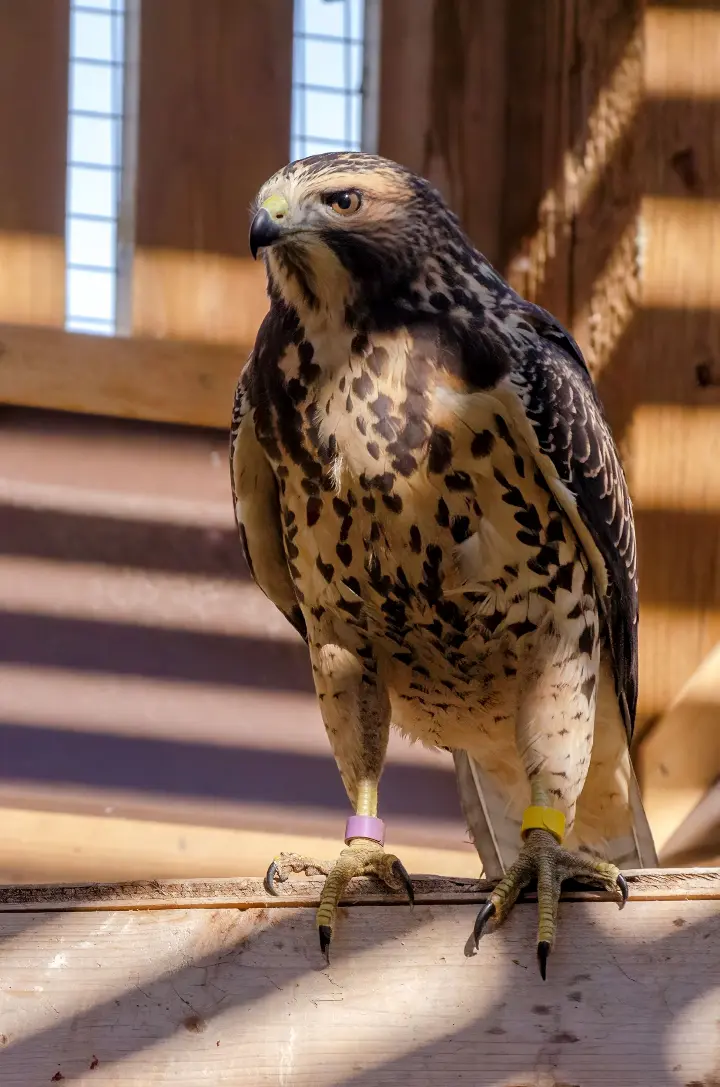
Every winter, Alberta Institute for Wildlife Conservation (AIWC) provides life-saving care to injured and orphaned wild animals. Many species are year-round residents in Alberta, such as the provincial bird, the great horned owl. Others migrate to the province to spend the winter, including bohemian waxwings, rough-legged hawks, and snowy owls.
Winter brings many challenges for wildlife. Animals may be injured due to vehicle collisions, window strikes, or attacks by cats and dogs. Harsh weather conditions can also make it difficult for some species to find food, leaving them emaciated and vulnerable. This is where AIWC steps in to provide critical care and support.
Since 1993, AIWC has been a champion for Alberta’s wildlife through rescue, rehabilitation, and release. To date, we have admitted more than 38,000 animals into care. We also believe education plays a vital role in protecting wildlife, which is why AIWC offers public programs that teach Albertans of all ages about the importance of wildlife and environmental stewardship.
We are requesting $5,000 in funding to help cover the cost of essential food and medical supplies for the animals we will admit during the winter of 2025/2026. The cost to rehabilitate an individual animal can range from $100 to well over $1,000, depending on the species and complexity of care. Based on previous winters, we anticipate providing care for approximately 100 animals during this period. These could include a long-term patient — a North American beaver who will be released in spring 2026 — as well as young black bears, muskrats, great horned owls, bohemian waxwings, and more.
This project will ensure injured and orphaned wildlife have the best chance at survival and release, while also helping to preserve Alberta’s diverse and healthy ecosystems for generations to come.
Who Will Benefit?
This project will benefit both wildlife and the communities across Alberta that care deeply about protecting the natural environment.
Each year, thousands of Albertans encounter injured or orphaned wildlife and turn to Alberta Institute for Wildlife Conservation (AIWC) for help. Our free wildlife hotline provides advice and support, while our trained wildlife rehabilitators and veterinarians deliver expert care to animals in need. By providing food and medical supplies during the harsh winter months, this project will directly benefit approximately 100 wild animals admitted between December 2025 and March 2026. These animals may include North American beavers, great horned owls, muskrats, bohemian waxwings, young black bears, and many other species that are vital to Alberta’s ecosystems.
Wildlife is essential to maintaining healthy, balanced ecosystems. Owls help control rodent populations, beavers create wetlands that benefit countless other species, and pollinators like waxwings support plant and forest regeneration. By ensuring these animals survive and return to the wild, this project will have a ripple effect that benefits Alberta’s biodiversity, environment, and future generations.
The human community will also benefit. Many animals in our care are admitted because of human-wildlife conflict, such as vehicle collisions, window strikes, or attacks by domestic pets. Through our work, we not only save lives but also provide information on how Albertans can coexist with wildlife.
In addition, this project provides emotional relief to those who rescue or report animals in distress. Knowing there is a trusted organization like AIWC that can provide professional, compassionate care brings peace of mind to Albertans across the province.
Ultimately, this project strengthens the connection between Albertans and the province’s amazing wildlife, fostering a culture of conservation and respect. By supporting AIWC’s winter care efforts, donors and community members play a direct role in protecting Alberta’s natural heritage and ensuring that wild species continue to thrive for generations to come.