
Sensory Adaptive Fire Education (SAFE)
Details
Southern Alberta
The Idea
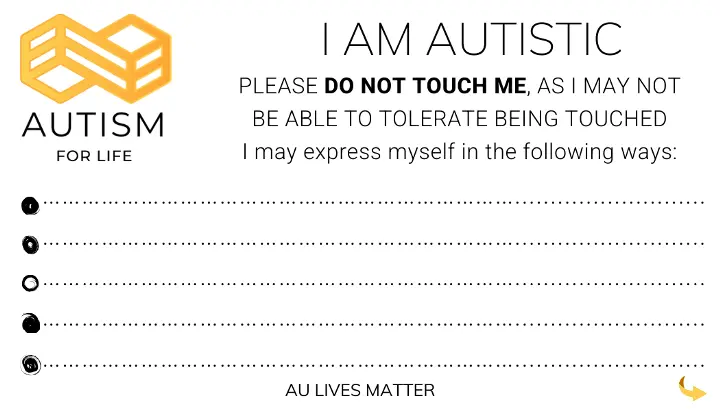
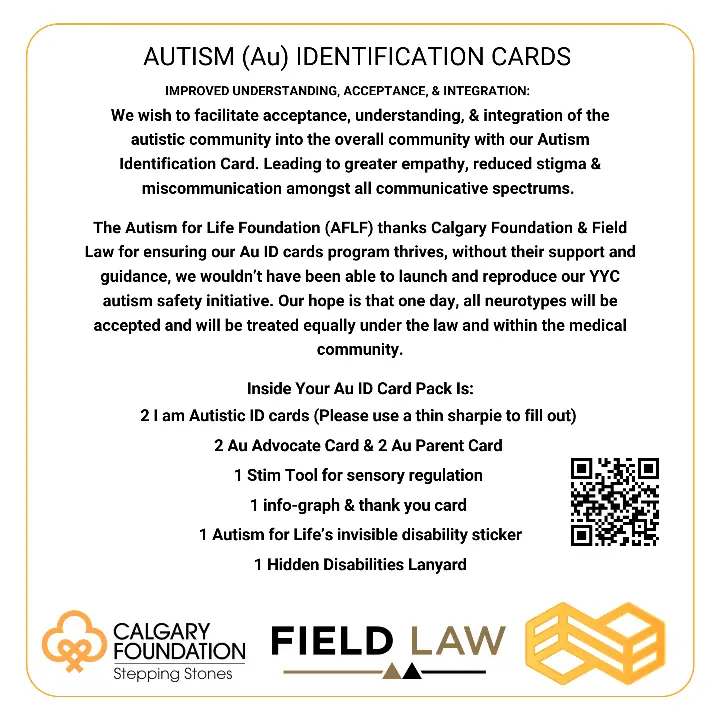
Our idea is to create a comprehensive support system that empowers autistic and neurodiverse youth by addressing the key barriers they face in safety, communication, and transition to adulthood. This system integrates three core initiatives: Autism Identification Cards, the S.A.F.E. (Sensory Adaptive Safety Education) Program, and Transition to Adulthood resources, which are all digital so anyone can access them. The Autism Identification Card is a voluntary, accessible tool that allows youth, particularly those who are non-verbal or struggle with communication under stress, to quickly share their diagnosis and support needs in a respectful and non-verbal way. This reduces the risk of misinterpretation in public or emergency situations, helps prevent unnecessary escalation, and promotes understanding and accommodation in the community. The S.A.F.E. Program complements the ID cards by providing training for both youth and first responders. It equips autistic youth with strategies to manage sensory sensitivities and stressful interactions, while also educating first responders and community partners on how to recognize and support neurodiverse individuals in high-stress scenarios. This dual approach fosters safer environments and ensures that safety professionals have the tools to respond with patience, awareness, and inclusion. Transition to Adulthood resources addresses the often-overlooked challenges autistic youth face when leaving high school and entering adulthood. Many face systemic gaps in employment, housing, and education access, which compound risks of poverty, instability, and isolation. This program offers practical resources such as digital planning tools, webinars, and mentorship to help youth develop independent living skills, explore post-secondary opportunities, and prepare for meaningful employment. All three initiatives are supported through accessible digital platforms, ensuring resources are available 24/7 and removing barriers of geography, cost, and accessibility. Together, these programs create a pathway where autistic and neurodiverse youth feel safe, understood, and equipped to thrive as they move toward independence. By combining safety, communication, and life transition supports, our idea directly addresses the root causes of exclusion and empowers youth to overcome obstacles, build resilience, and reach their full potential as active, valued members of society.
Who Will Benefit?
This idea will directly benefit autistic and neurodiverse youth by providing them with Autism ID Cards—voluntary, discreet tools that allow youth to communicate their diagnosis and support needs non-verbally. Many autistic youth, especially those who are non-verbal or experience communication challenges under stress, are at risk of being misunderstood or mistreated in public or emergency situations. The Autism ID Card reduces this risk by helping first responders, educators, and community members immediately recognize and accommodate an autistic individual’s needs. This prevents unnecessary escalation, increases safety, and fosters inclusion in everyday life. Families and caregivers also benefit, gaining peace of mind knowing their youth have a reliable way to self-advocate when words may not be possible. The program’s impact is amplified through partnerships with the Esker Foundation and Telus Spark, two cultural and educational leaders committed to accessibility and inclusion. These partnerships ensure that autistic youth are not only equipped with tools for safety but also welcomed into environments that celebrate creativity, innovation, and community connection. By embedding autism awareness into spaces of learning and exploration, we normalize acceptance and strengthen opportunities for youth to engage meaningfully with their communities. In addition, first responders and public service providers benefit by having a clear, recognizable tool that signals how to best support autistic individuals. Through training and awareness, these professionals gain confidence in responding with patience and understanding, leading to safer, more positive outcomes for both youth and their families. Ultimately, this initiative benefits autistic and neurodiverse youth by reducing barriers to safety, improving communication, and building supportive networks. At the same time, it strengthens families, equips first responders and service providers with essential tools, and fosters more inclusive communities where every young person has the opportunity to thrive.