
Rising Readers Early Language and Literacy Project

Details
Southern Alberta
The Idea
Rising Readers Early Language and Literacy Project
Our Rising Readers project will provide targeted early language and literacy intervention to nine kindergarten-aged children identified as being at risk for reading difficulties. The project will combine small-group or one-on-one instruction with two family literacy workshops, helping children develop foundational literacy skills and equipping caregivers to support learning at home.
Through evidence-based, multisensory, inclusive, culturally responsive, and developmentally appropriate instruction, children will strengthen foundational skills in oral language, phonological and phonemic awareness, alphabetic knowledge, letter-sound relationships, early reading and writing skills, and book knowledge.
The project will:
- Strengthen oral language by developing vocabulary, receptive and expressive language, and narrative skills
- Build foundational literacy skills, including phonological and phonemic awareness, alphabetic knowledge, letter-sound relationships, print and book concepts, and early reading and writing skills
- Build family capacity by providing parents and caregivers with practical strategies and resources to support language and literacy development at home
We are seeking $7,410.00 to fully deliver this defined project from January to June 2027. By intervening early, we aim to strengthen school readiness, reduce the risk of persistent reading difficulties, and equip families with practical strategies to support literacy development at home.
Small-Group Literacy Intervention:
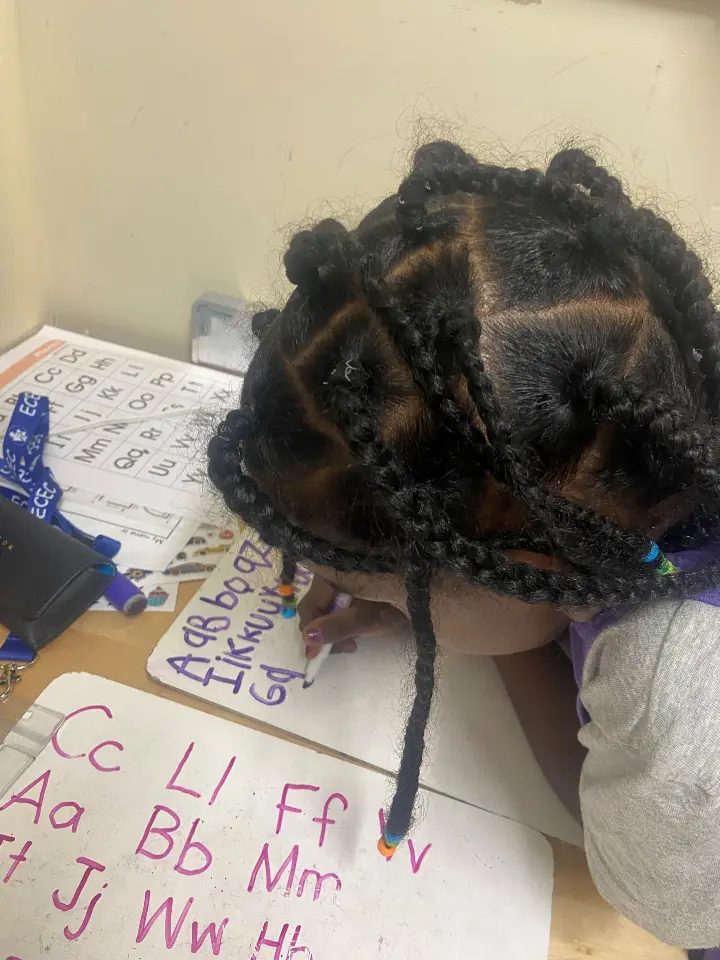
From January to June 2027, children will receive targeted one-on-one or small-group literacy instruction led by a qualified and experienced literacy and reading intervention specialist. Instruction will be explicit, systematic, multisensory, and responsive to each child’s identified needs.
For the January–June 2027 project, the confirmed delivery schedule will be 22 weekly lessons of 30 minutes per lesson.
Initial assessments will inform instructional planning. Ongoing assessment, observations, and work samples will allow instruction to be adjusted to children’s developing skills.
Family Literacy Engagement:
Parents and caregivers will participate in two literacy workshops and receive practical resources and strategies for supporting oral language, reading, and writing development through everyday activities at home.
Workshop activities will demonstrate how families can incorporate shared literacy experiences at home.
Who Will Benefit?
Target Group:
- Nine kindergarten-aged children identified as being at risk for reading difficulties
- Parents and caregivers of participating children
- Participation will be provided at no cost to families
Small-Group Literacy Intervention:
From January to June 2027, children will receive targeted one-on-one or small-group literacy instruction led by a qualified and experienced literacy and reading intervention specialist. Instruction will be explicit, systematic, multisensory, and responsive to each child’s identified needs.
For the January–June 2027 project, the confirmed delivery schedule will be 22 weekly lessons of 30 minutes per lesson.
Initial assessments will inform instructional planning. Ongoing assessment, observations, and work samples will allow instruction to be adjusted to children’s developing skills.
By the end of the project, participating children are expected to demonstrate measurable growth in:
- Oral language and vocabulary
- Phonological and phonemic awareness
- Alphabetic and letter-sound knowledge
- Print and book knowledge
- Early reading and writing behaviours
- Engagement and confidence with literacy activities
Parents and caregivers will increase their knowledge and confidence in supporting literacy development at home.
Children’s progress will be monitored through pre- and post-assessment, instructional data, observations, and work samples. Initial and final results will be compared to document growth in the skills targeted through instruction.
The longer-term goal is to strengthen kindergarten literacy development, reduce the risk of persistent reading difficulties, and promote greater educational equity.