
MyCityCare Youth Mentor Recruitment Project
Details
Southern Alberta
The Idea
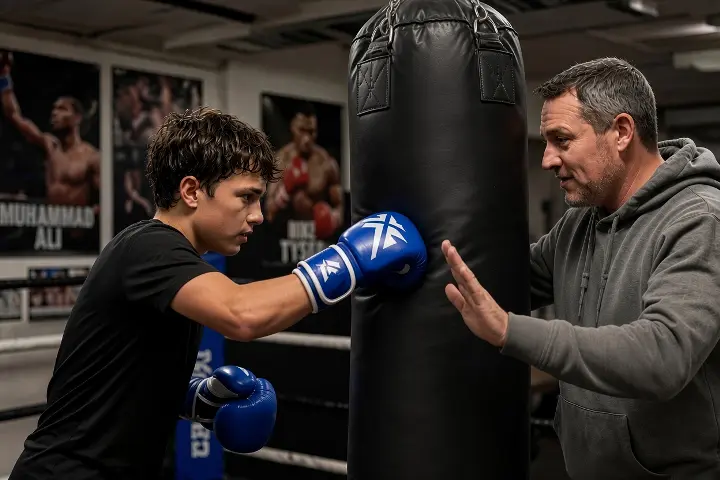
Our idea is to establish a structured volunteer mentorship program integrated within MyCityCare's existing non-profit boxing facility. This program combines non-contact boxing training with intentional mentorship relationships designed to support at-risk youth in achieving positive developmental outcomes.
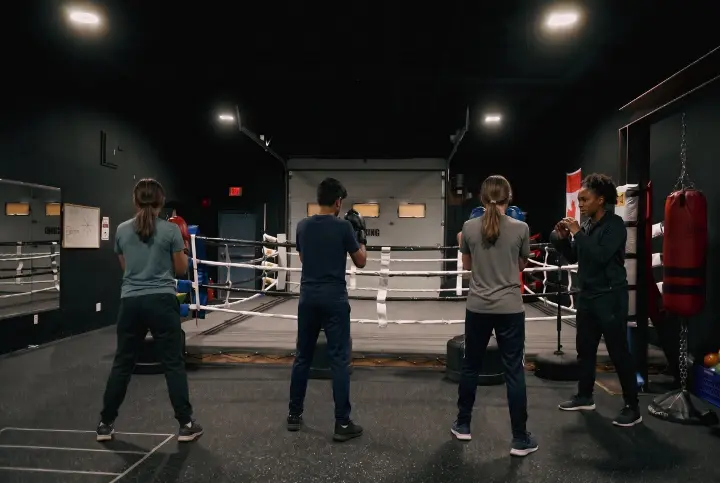
The core innovation is engaging a qualified consultant to design, implement, and evaluate the mentorship component. Rather than hiring permanent staff, we will contract specialized expertise to build sustainable volunteer infrastructure—including mentor recruitment protocols, training curricula, matching systems, and safeguarding policies—that volunteers maintain long-term. MyCityCare has successfully run many volunteer-driven programs meeting needs such as clothing, emergency food, Christmas gifts, school supplies, and graduation attire. We received Rotary funding to build a boxing ring and gym.
The non-contact boxing component will provides physical activity, skill development, and achievement while emphasizing respect, discipline, and conflict resolution over competition. Youth participate in supervised training sessions twice weekly over 12-week program sessions, building fitness, coordination, and self-confidence in a safe environment.
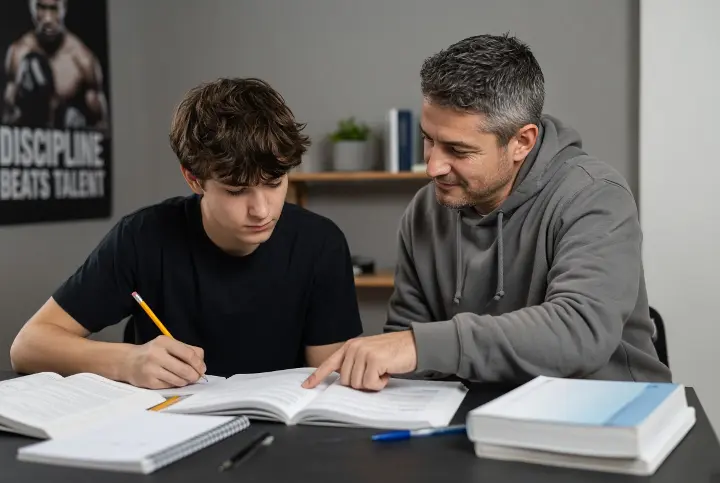
The mentorship element pairs each youth with a carefully screened volunteer mentor who meets for structured activities, goal-setting conversations, and relationship-building. Mentors receive comprehensive training in youth engagement, boundary setting, trauma-informed practice, and program expectations. This dual approach recognizes that athletic programs alone, without relational support, often fail to address deeper challenges faced by vulnerable young people.
We've researched successfully operated youth boxing programs for two years. We identified a critical gap: without formalized mentorship, youth facing complex challenges (family instability, academic struggles, social isolation, criminal justice issues, and risk of homelessness) receive only athletic support when their needs are more complex.
By contracting a consultant rather than adding staff, we maximize limited resources while building transferable infrastructure—our existing programs are mainly volunteer-run.
The consultant will work over 12 months to recruit and train 20+ volunteer mentors, match 15-20 youth, establish monitoring systems, and produce documentation enabling future program replication.
Who Will Benefit?
These youth face interconnected barriers including limited positive adult role models, reduced confidence in navigating challenges, decreased school attendance, and higher vulnerability to negative peer influences. Many have been excluded from traditional team sports due to cost, skill level, or behavioural concerns. Non-contact boxing offers accessible physical activity without competitive pressure while mentorship provides consistent, supportive relationships.
Secondary beneficiaries include 20-25 volunteer mentors drawn from our community—including university students, professionals, retirees, and parents. Volunteers gain leadership experience, connection skills, and meaningful community engagement opportunities. Many report increased sense of purpose and expanded understanding of systemic challenges facing youth.
Additional community-wide benefits outlined in research suggest that youth participation will have ripple effects: such as improved home dynamics as youth develop emotional regulation skills; better classroom behaviour and attendance among participating students; local businesses benefit from future workforce preparation through soft skill development (discipline, goal-setting, communication).
Demographic considerations include serving diverse populations equitably. Our selection process prioritizes equitable representation across cultural background socioeconomic status.
Parental/guardian consent and ongoing communication ensure family engagement throughout participation.
We estimate approximately 40-45 individuals will directly benefit during the first year.