
iSHOW: Building an Indigenous Wheelchair Basketball Pathway

Details
Northern Alberta
The Idea
T.A.N.S.I. Society is seeking support to expand iSHOW—Indigenous Shooting Hoops on Wheels—from a successful adaptive sport program into an Indigenous wheelchair basketball development and competition pathway.
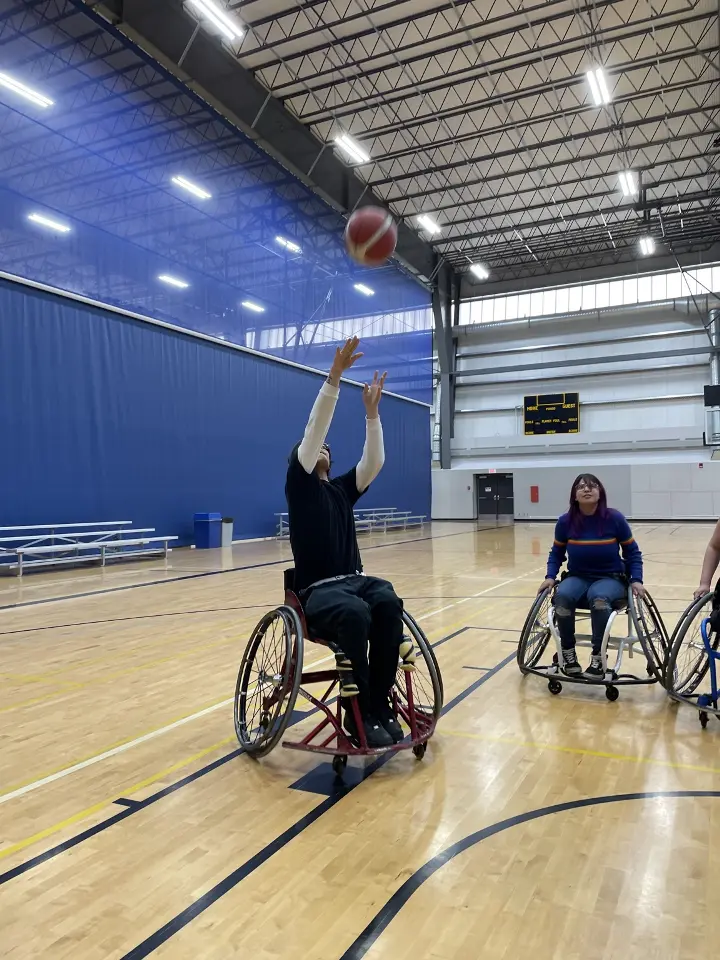
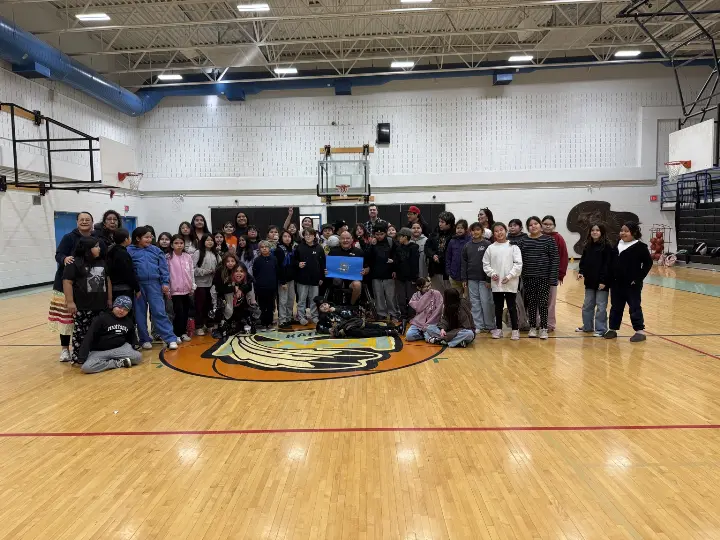
iSHOW is not simply an idea. For the past two years, T.A.N.S.I. has delivered this Indigenous-led program in approximately 20 Alberta communities, reaching more than 3,500 participants. Using a mobile fleet of sport wheelchairs, we introduce Indigenous youth, families, educators and community members to wheelchair basketball in a safe, welcoming and culturally respectful environment. Participants do not need to have a disability, creating shared experiences that break down barriers between people with and without disabilities.
Our five-day program begins with wheelchair safety, mobility and chair-handling skills. Participants develop passing, shooting, teamwork and game skills throughout the week. The program concludes with a tournament involving students, families and community members. This progression builds confidence, empathy, leadership, physical literacy and belonging.
Field Law Community Fund support would help T.A.N.S.I. purchase five adjustable Top End Pro BB sport wheelchairs designed for shared use. Combined with two existing Pro BB chairs and our founder’s personal competition chair, iSHOW would have eight competition-capable wheelchairs.
This equipment would allow participants who discover an interest or talent through an iSHOW program to continue developing after the five-day visit. T.A.N.S.I. could offer advanced training, bring Indigenous athletes together across communities and work toward entering Indigenous teams in wheelchair basketball tournaments.
Specialized sport wheelchairs are expensive and rarely available in Indigenous, rural or remote communities. Travel, limited programming and a lack of accessible equipment can prevent Indigenous youth and people with disabilities from participating in organized sport. A mobile, shared fleet allows T.A.N.S.I. to bring equipment and instruction directly to participants.
This is a pay-it-forward investment. Participants can become athletes, peer mentors and community ambassadors who encourage others to try adaptive sport. These chairs will be used repeatedly in future programs, training sessions and competitions, creating benefits beyond a single event.
Through iSHOW, Indigenous youth can see disability, sport and leadership differently—and see a place for themselves on the court.
Who Will Benefit?
The primary beneficiaries will be Indigenous youth and adults, including people living with disabilities, amputations, mobility limitations or other barriers to participating in organized sport. The project will also benefit Indigenous families, schools and communities throughout Northern Alberta.
Many Indigenous, rural and remote communities have little or no access to adaptive sport equipment. Competition-quality sport wheelchairs are expensive, and participants may have to travel to a major city to find suitable programming. These barriers can prevent someone from discovering their abilities or continuing in a sport after an introductory experience.
iSHOW removes those barriers by bringing the wheelchairs, instruction and program directly to communities. Although the program centres Indigenous participants and people with disabilities, it welcomes participants of all abilities and backgrounds. Able-bodied participants use the same equipment and learn alongside participants with disabilities. This creates understanding, challenges assumptions about disability and builds stronger relationships through shared experience.
The five adjustable Top End Pro BB wheelchairs would particularly benefit participants who show interest or potential during an introductory iSHOW program. They would have access to more advanced training and opportunities to develop as wheelchair basketball athletes. Because these are adjustable organizational chairs rather than athlete-specific custom chairs, they can serve people with different body sizes and experience levels.
Families, teachers, community recreation workers and future volunteer coaches will also benefit by seeing what inclusive sport can look like within their own communities. The project will create new opportunities for participation, mentorship, leadership and competition while helping Indigenous athletes see that they belong in adaptive sport.