
Heart Beats: Holding Space for Little Hearts - Antenatal Peer Support for Congenital Heart Disease
Details
Southern Alberta
The Idea
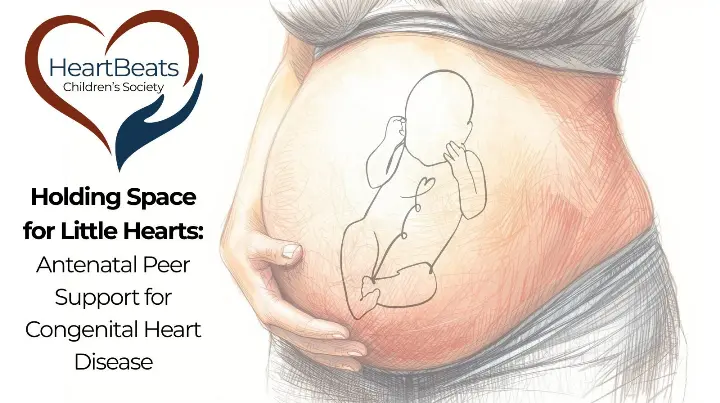
At 18–20 weeks, a pregnant woman attends her ultrasound and her life can change in a heartbeat. She might hear the words a parent never wants to hear; their baby has a heart defect. They are given information and sent home to think about their future. Depending on the severity of the CHD, some travel to Edmonton to meet specialists, then return home to count the days. They will then relocate again at 32+ weeks to prepare for delivery. They’re removed from the comfort of their homes and will spend the next few months at the Ronald McDonald house. Throughout this time, the baby is the “patient,” and the mother sits mostly unattended in the gap: frightened, displaced, making impossible plans with almost no support.
Heart Beats provides financial support for those trips with gift cards for gas and grocery, we know we have the responsibility to do more. We will meet families right after diagnosis and remain their support team, connecting them to our Heart community, others who have been in their position, those who can listen and understand the reality of being a heart parent. Heart Beats will be there, throughout the uncertainty and anxiety, no matter the outcome.
Plan for 2026:
- Referral bridge (72-hour warm reach-out): A simple pathway with Maternal Fetal Medicine and fetal cardiology (ACH/Stollery), social workers, Patient & Family Centred Care staff, and antenatal-focused community mental-health resources, so every newly diagnosed Southern Alberta family is offered a live connection to Heart Beats within 72 hours
- Prepared peer support: Train 8 CHD parent mentors (trauma-aware, confidential) to offer non-clinical peer support by text/phone/virtual, plus monthly small-group circles
- Practical relief: Antenatal travel packages (gas/grocery) tied to consult trips and relocation
- Mental health access: Counselling vouchers with mental health practitioners, experienced in medical traumatic stress
- Navigation kits: A plain-language kit (print + QR hub) with what to expect, housing/transport, benefits, grief resources, key contacts in Calgary/Edmonton, and a care package for family
Why this matters:
We know this period is the loneliest. A steady peer mentor and a clear path won’t erase the fear but it will get them through the next hour or the next appointment. Empowering them with a better understanding and hope for their future will improve outcomes for all those involved. Whatever path a family faces, they will not have to walk it alone.
Who Will Benefit?
Community Impact, who will directly benefit?
Primary: Southern Alberta families receiving a fetal CHD diagnosis in 2026 (≈ 24 families), reached via Maternal Fetal Medicine, fetal cardiology, social work and Patient & Family Centred Care teams, and antenatal-focused community mental-health resources.
Secondary: Partners/support people (~36 individuals), 8 peer mentors, and collaborating clinicians who gain a clear referral path.
Direct benefits in 2026:
24 families matched to a trained peer within 72 hours of referral.
24 navigation kits (print + QR) delivered.
~20–24 antenatal travel top-ups aligned to consult/relocation needs.
20 short-term counselling sessions accessed.
Monthly small-group circles (10–12 total participants across the year).
Equity & inclusion: Materials are plain-language and culturally respectful, with tailored resources for newly immigrated parents (translations/settlement links) and Indigenous families (options to involve Indigenous health navigators/liaisons, Elders, and community-preferred supports). Support is offered regardless of pregnancy outcome, with gentle pathways for bereavement and, if desired, future peer involvement.
Project Timeline: January 1, 2026 - December 31, 2026
Q1: Finalize referral bridge; recruit/train 8 mentors; co-design/print kit; launch QR hub; connect with mental health providers and Indigenous leaders.
Q2–Q4: Rolling referrals; 1:1 matches; monthly circles; distribute counselling vouchers; relocation assistance
December: Summative report; mentor debrief; assemble Alberta-scale package; plan 2027 sustainability.