
Growing Wild: Nutrition for Orphaned Wildlife
Details
Southern Alberta
The Idea
Alberta Institute for Wildlife Conservation (AIWC) is seeking $4,500 to purchase specialized milk formula for injured and orphaned baby mammals admitted to our wildlife hospital.
Baby mammals are some of the most vulnerable patients we receive. Many arrive after being orphaned due to circumstances such as vehicle collisions or human-wildlife conflict. At this stage of their development, these animals are completely dependent on milk for the nutrition they need to survive and grow.
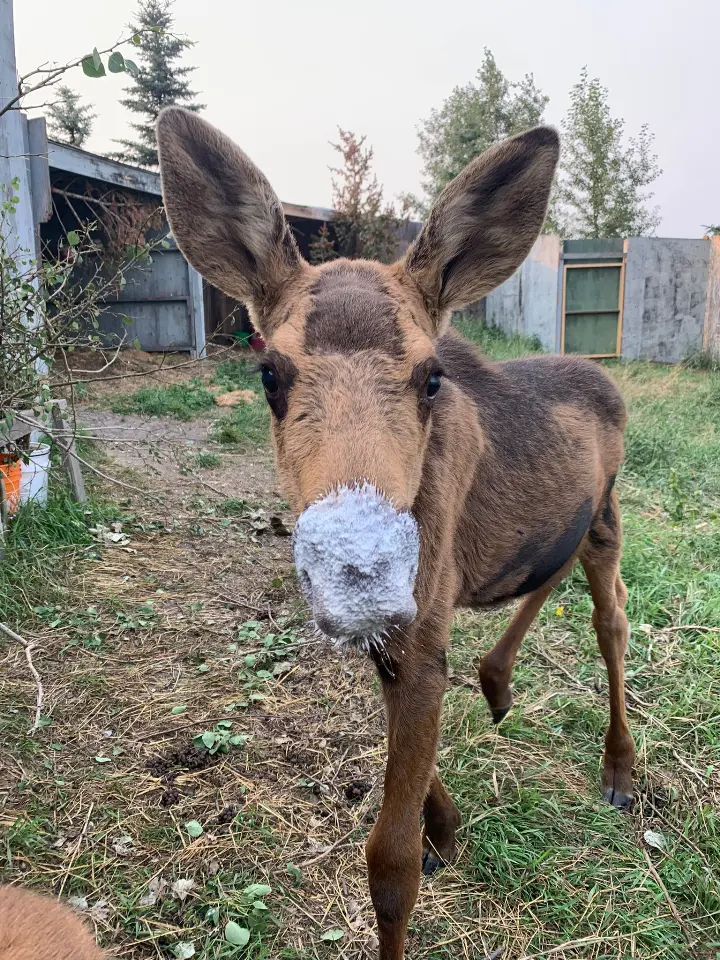
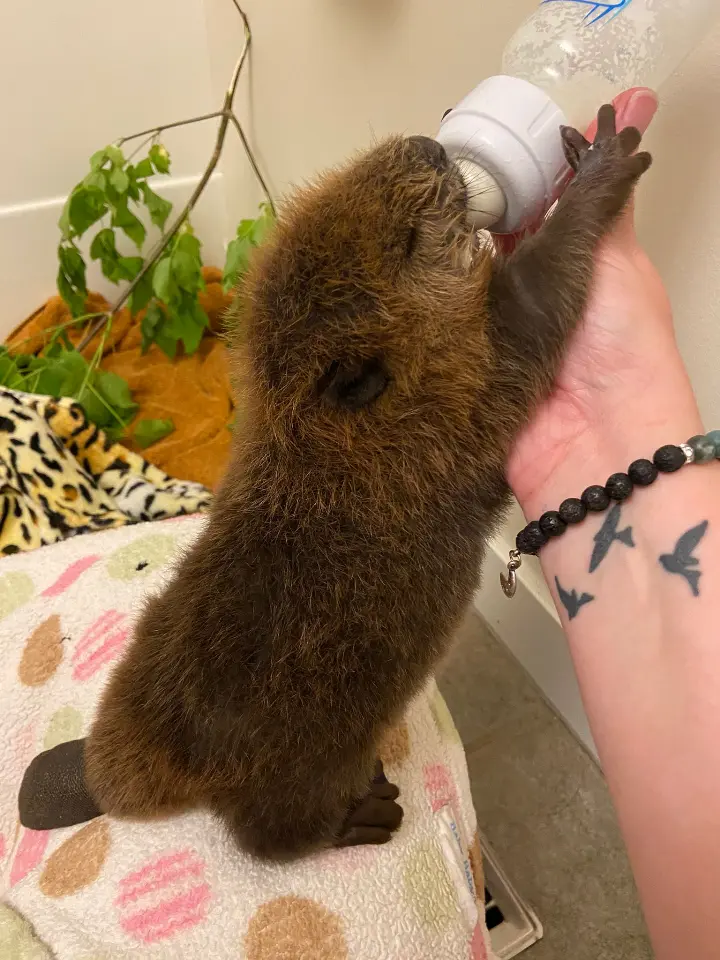
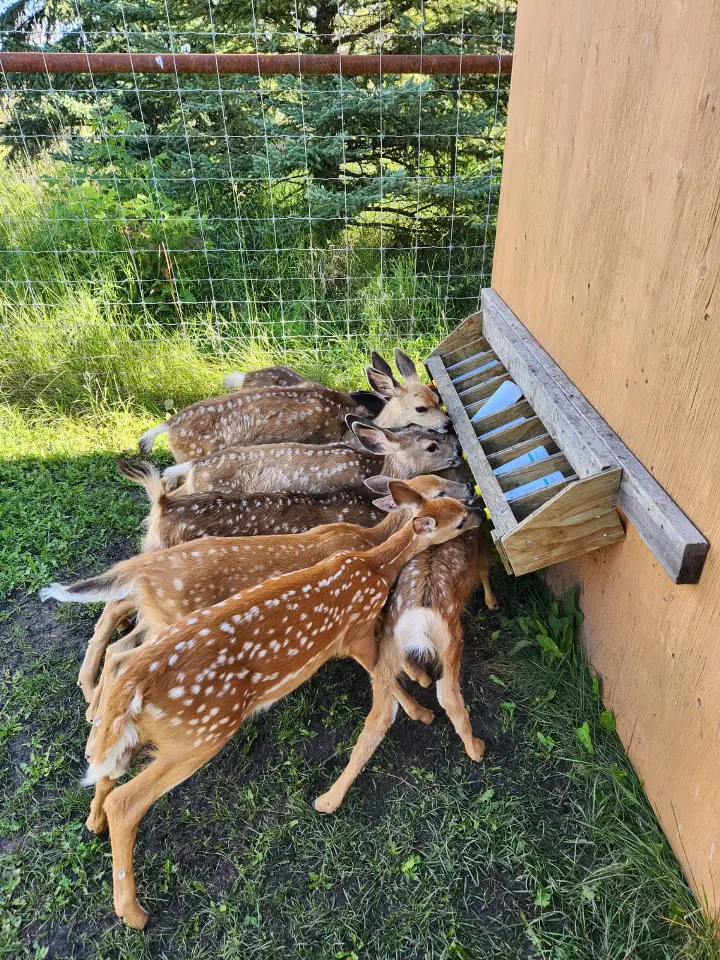
Caring for wildlife also means that one formula does not fit all. AIWC admits a wide variety of orphaned mammals, including black bears, white-tailed deer, mule deer, moose, red squirrels, red foxes, and beavers. Each species has different nutritional requirements, requiring AIWC to purchase specialized milk-replacement formulas to ensure they receive appropriate nutrition while in care.
The need for these supplies has become increasingly important as demand for AIWC's services continues to grow. In 2025, AIWC admitted a record 2,103 injured and orphaned wild animals representing 156 different species. In 2026, we surpassed that record before the end of the year, demonstrating the growing demand for wildlife rehabilitation services in Alberta.
Funding from the Field Law Community Fund would directly purchase the specialized milk formulas needed to raise orphaned mammals through the critical early stages of rehabilitation. As they grow, these animals are gradually transitioned to species-appropriate solid foods and prepared for life back in the wild.
A $4,500 contribution would provide approximately a five-month supply of specialized mammal formula for AIWC, based on typical patient intake. Wildlife admissions and the species requiring care vary from year to year, but this funding would allow us to enter our busiest season with the formula needed to care for orphaned mammals throughout their most critical stages of growth and development.
Our goal is to provide each orphaned animal with the specialized care and nutrition they need to develop normally, progress through rehabilitation, and ultimately be returned to the wild.
Who Will Benefit?
The primary beneficiaries of this project are injured and orphaned baby mammals from across Alberta that are admitted to AIWC for rehabilitation. These animals arrive in our care through no fault of their own and, without specialized intervention, many would not survive.
AIWC cares for a diverse range of mammal species, including black bears, white-tailed deer, mule deer, moose, red squirrels, red foxes, and beavers. Many of the youngest animals are still completely dependent on milk when they arrive and require specialized formula that meets the nutritional needs of their species. Providing appropriate nutrition during these early stages supports healthy growth and development and helps prepare each animal for the next stages of rehabilitation.
The benefits of this project extend beyond the individual animals in our care. AIWC provides an essential resource for Albertans who find wildlife that is injured, orphaned, or otherwise in need of assistance. Members of the public, veterinary clinics, wildlife organizations, and community partners rely on AIWC to provide appropriate care when wildlife needs help.
Ultimately, successful rehabilitation allows healthy wild animals to be returned to their natural habitats. By providing orphaned mammals with the specialized nutrition and care they need during a critical period of their development, this project supports AIWC's broader goal of preserving Alberta's wildlife for future generations.