
Grow Calgary Farm Education Program
Details
Southern Alberta
The Idea
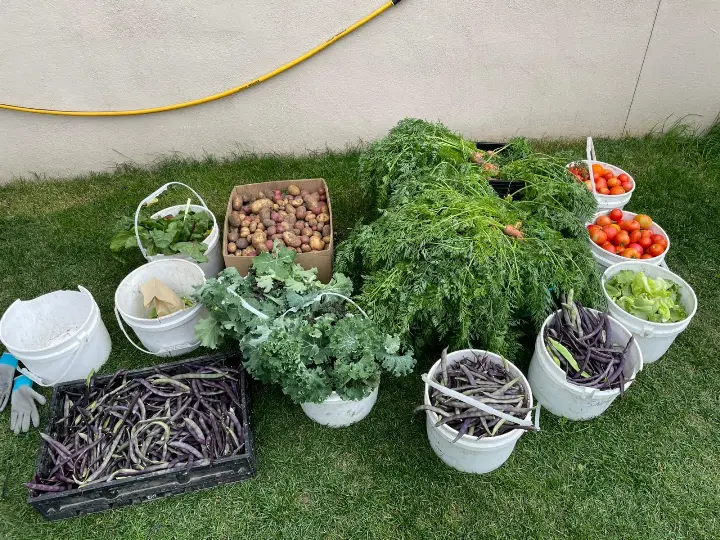
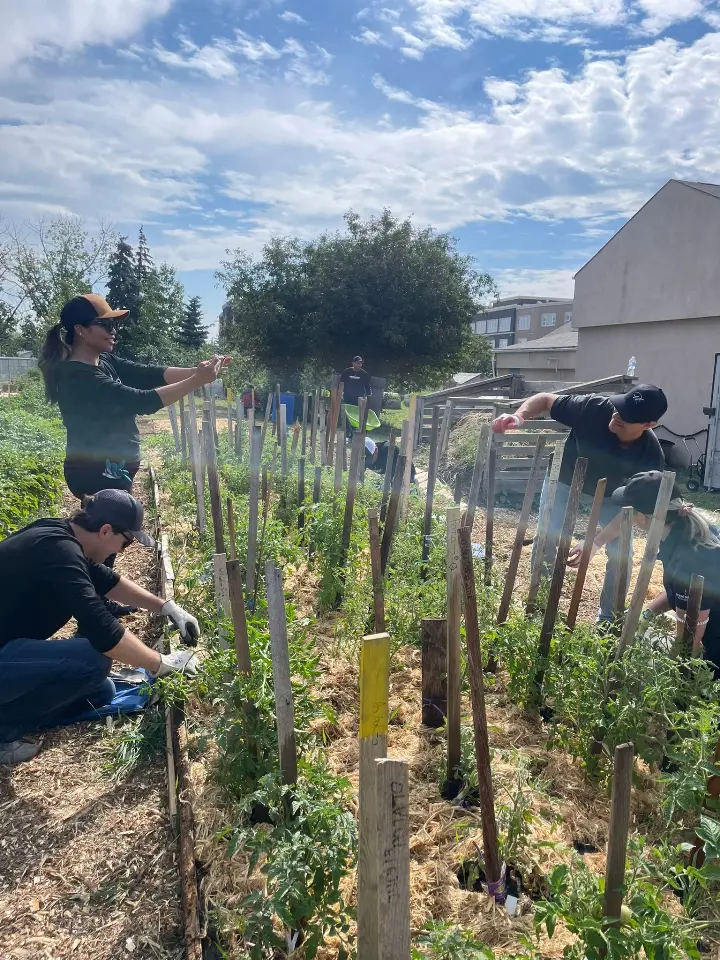
Grow Calgary is a volunteer-led registered non-profit organization that addresses food insecurity in our community by donating fresh, locally grown produce to food access programs. We currently grow food in a community garden in Calgary and donate approximately 2,000 pounds of fresh produce each season to various organizations and groups.
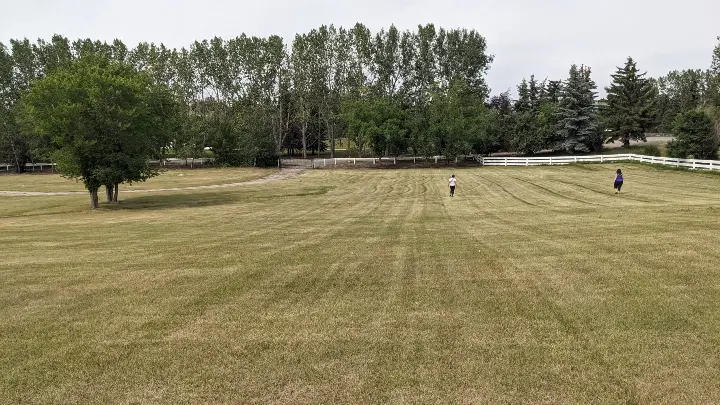
We will be expanding our operations and starting a small-scale farm on three acres of donated land in Rockyview County, AB. This will allow us to increase our growing capacity and provide more robust farming education programs. Our idea is to start a structured farm education program that provides hands-on farming and outdoor education. The first cohort will be five individuals and will run three days per week for twenty weeks and will be offered free of charge. Preference will be given to youth participants and those from equity-deserving groups.
Program participants will have the opportunity to learn how to start and maintain a small-scale farm from an experienced program facilitator. The program will be divided into three stages. The first stage will focus on basic farm education and planning as well as local food systems through book study which will comprise the first two weeks of the program. The second stage will focus on preparing the land and planting which will comprise the next six to eight weeks. The third stage and final stage will focus on maintaining the farm and harvesting produce for donation.
The farm program will teach agroecology principles to reduce the negative impacts of agriculture production on the environment. These principles include respecting the land and soil, sustainable use of natural resources, and promoting food justice. Participants will learn no-till growing methods, compost development, companion planting, crop rotation, water conservation techniques, and will witness the direct benefits of local food production on communities. By the end of the program, participants will be able to employ their new skills independently and as a team, should have built, planted and harvested produce from twenty new in-ground garden beds.
Food insecurity is on the rise, the unemployment rate especially among youth is climbing, and the global food supply is at risk due to a lack of skilled farmers and environmental destruction. Our farm education program will provide participants with vital skills and knowledge while also supporting food insecure community members.
Who Will Benefit?
Our farm education program will benefit the participants by providing them with knowledge and skills that they can use to pursue further education or employment opportunities. Specifically, participants will learn farming and sustainability related skills, communication, teamwork, leadership and adaptability, as well as build their overall confidence. They will also have the opportunity to work with other volunteers at the farm and receive mentorship from the farm education program facilitator.
By working with our organization, participants will also gain insight into local food production and the impact of food insecurity in our community. They will collaborate with our organizational partners with food access programs to ensure that they are receiving high quality, fresh produce for their clients. Participants will receive a certificate of completion at the end of the program.
Organizations with food access programs that we donate to and their clients will also benefit from this idea. The farm education program will ensure that we have a consistent group of individuals helping our volunteers and staff prepare and care for the farm over the season. This will assist us in growing and donating more produce on a regular basis to our community partners. As the amount of people that non-profit organizations support rises and food costs increase, providing nutrient rich meals and fresh food is becoming more challenging. Organizations that we provide produce to work with Indigenous folks, youth facing homelessness, women fleeing domestic violence, low-income individuals and families, and newcomers.