
Frostbite Prevention Kits
Details
Northern Alberta
The Idea
Edmonton’s winters can be life-threatening for people experiencing homelessness. Boyle Street Community Services will create and distribute approximately 300 Frostbite Prevention Kits to community members at greatest risk in extreme cold in 2027.
This health and safety initiative will provide practical protection from freezing injuries while preserving dignity and creating opportunities for connection. Each kit will help protect areas vulnerable to frostbite, keep people warm and dry, provide nourishment, and support access to a warm indoor space.
Each kit will include:
- A durable backpack or weather-resistant bag
- Emergency thermal blanket
- Insulated, water-resistant gloves or mitten
- Warm toque and fleece neck warmer
- Two pairs of warm wool-blend or synthetic socks
- Hand and foot warmers
- High-energy snacks
- $10 Tim Hortons or McDonald’s gift card
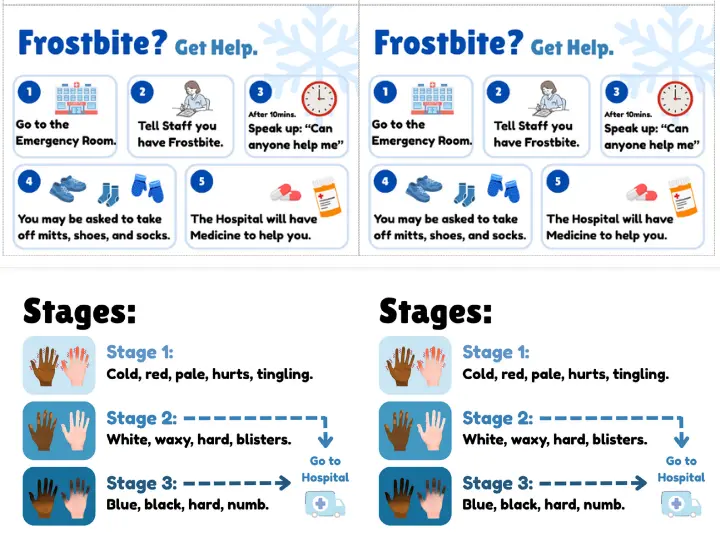
- Plain-language frostbite prevention information
- Community resource card identifying warming locations and supports
- Transit ticket
Boyle Street’s Crisis Diversion and outreach teams will distribute kits directly to people sleeping outside or spending prolonged periods outdoors during extreme cold warnings.
The kits respond to an urgent and preventable health risk. From January to April 2026, 1,282 unique people checked in at Boyle Street’s downtown service delivery hub – okimaw peyesew kamik (OPK), and approximately 25% reported sleeping outside the previous night. Boyle Street’s nursing team sees freezing injuries that can lead to hospitalization, permanent disability, amputation, and lasting barriers to mobility. Edmonton recorded 113 amputations associated with frostbite last winter, more than five times the number recorded in 2019, and more than half involved patients identified as experiencing homelessness. Emergency departments also recorded 1,307 diagnoses of frostbite or excessive cold.
The kits do not replace shelter, health care, or housing. They are a practical health and prevention response for people who remain outside and may face barriers to warming spaces. Distribution also allows staff to check on someone’s immediate safety and connect them to shelter, health care, transportation, and other supports.
Boyle Street has the frontline teams and relationships to deliver the project. Field Law funding will be used entirely for supplies, while Boyle Street will contribute the staff time required. Field Law employees will be invited to volunteer during kit assembly and distribution.
Who Will Benefit?
The Frostbite Prevention Kits will directly benefit approximately 300 people experiencing homelessness in Edmonton who are sleeping outside, moving between shelters, or spending prolonged periods outdoors during extreme cold.
Many people Boyle Street serves have few belongings and limited access to winter clothing, food, transportation, or a consistently warm place to stay. Essential items may be lost, stolen, damaged by weather, or left behind during an emergency and can be difficult to replace on a limited income.
Boyle Street’s frontline data indicates that approximately 25% of community members served are unsheltered. This is consistent with Edmonton’s 2025 Point-in-Time Count, which identified 3,709 people experiencing homelessness, 23.7% of whom were unsheltered. These findings demonstrate the need for practical frostbite prevention supports for people exposed to Edmonton’s winter conditions.
People who are unsheltered face a disproportionate risk of frostbite, hypothermia, hospitalization, permanent disability, and amputation. Wind chill and wet clothing increase the danger, but the greatest risk factor is lack of shelter. People may be unable to access a warming space because it is full, they face mobility barriers, are concerned about leaving belongings unattended, have experienced trauma within systems, or face other barriers.
The kits are designed around these realities. Insulated gloves or mittens, warm socks, a toque, neck warmer, hand and foot warmers, and an emergency blanket will help protect the parts of the body most vulnerable to freezing injury. High-energy snacks provide immediate nourishment, while a transit ticket will help people reach a warming space or other support. Prevention and resource cards will provide clear information about frostbite, warming locations, and available services.
Crisis Diversion and outreach workers will distribute the kits through existing frontline relationships, reaching people who may not be connected to formal services. Each interaction creates an opportunity to assess immediate safety and connect community members to warming spaces, health care, shelter, housing, and other supports.
This project provides practical assistance without unnecessary barriers and reinforces that each recipient’s health, safety, and dignity matter.