
FAMILY CONNECTION
Details
Southern Alberta
The Idea
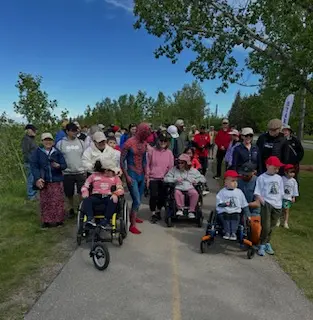
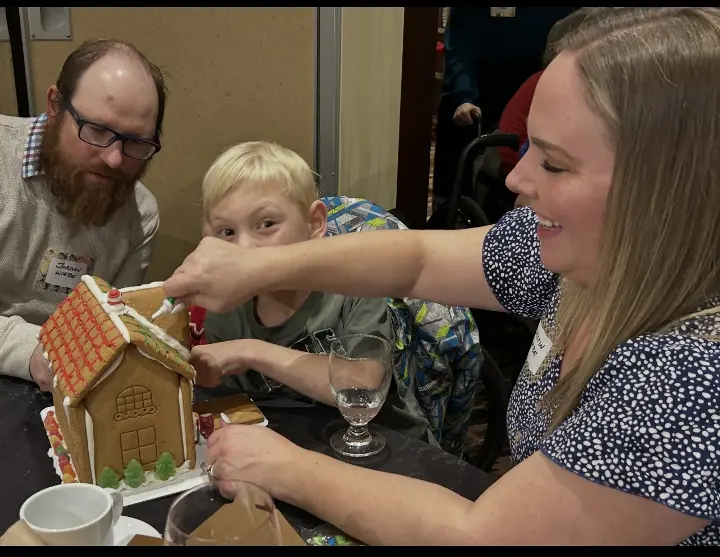
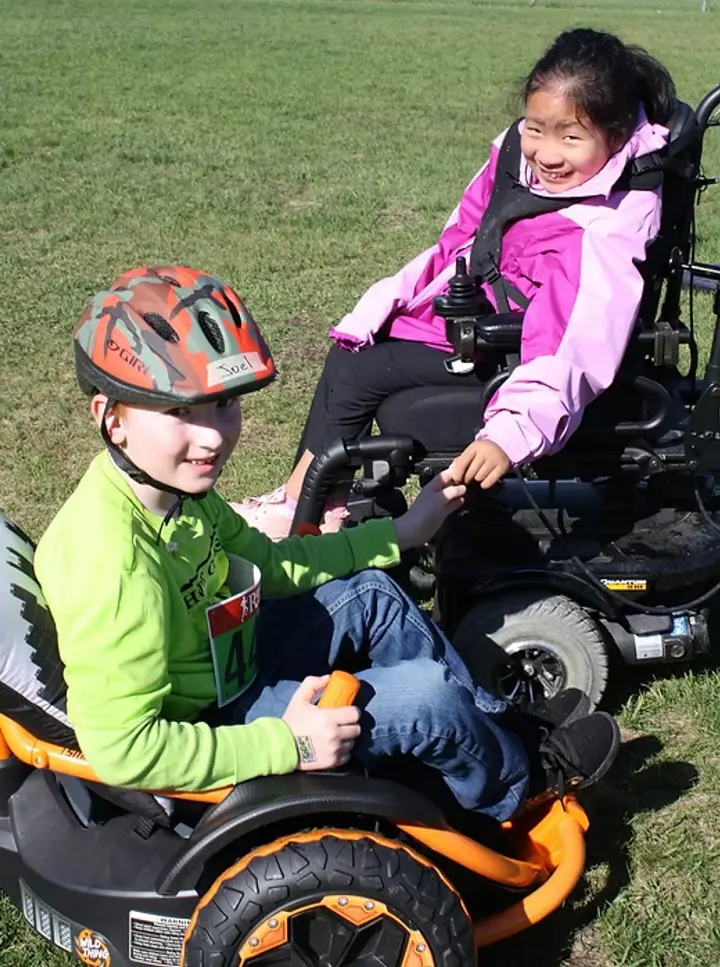
We want to create an opportunity for 46 individuals living with Spina Bifida and/or Hydrocephalus, their parents, and 36 siblings to step away from the day-to-day demands of caregiving and simply be a family.
Our SBHASA community is wonderfully diverse, representing people of all ethnicities, ages, abilities, and family backgrounds, including individuals living with dual disabilities. For many families, mothers have become the primary caregiver by default, carrying much of the responsibility for appointments, advocacy, personal care, and daily support. The demands of caregiving can also create significant financial and social strain for families already facing additional challenges.
Through an inclusive family gathering designed around connection, participation, and wellbeing, we want to give families the opportunity to relax, connect, laugh, and create positive memories together—without the financial barrier that can prevent families from accessing social and recreational opportunities.
For a few hours, caregivers can participate alongside their families rather than being focused on the demands of caregiving. Siblings can connect, participate, and feel included. Individuals living with disabilities can enjoy an accessible environment where they are able to fully participate.
Ultimately, this is about more than one day. It is about reducing isolation, strengthening family relationships, supporting caregivers—particularly mothers—and creating a greater sense of belonging within our community. We want families to leave feeling connected, valued, and reminded that they don't have to navigate their journey alone.
Who Will Benefit?
The primary beneficiaries will be 46 individuals living with Spina Bifida and/or Hydrocephalus, along with their parents, 36 siblings, and caregivers. They represent a diverse community of children, youth, adults and seniors with a wide range of abilities, backgrounds and family circumstances.
Many individuals live with complex needs, including dual disabilities, and require ongoing assistance with mobility, personal care, medical needs and daily activities. In many households, mothers become the primary caregiver, taking on much of the responsibility for appointments, advocacy, care coordination and day-to-day support.
The impact extends to the entire family. Families and siblings often make significant sacrifices to accommodate accessibility and caregiving needs. Even a family vacation can require extensive planning around accessible transportation, suitable accommodations and facilities, mobility equipment, and maintaining daily medical and personal care routines. These added costs, logistics and responsibilities can mean family experiences look very different—or may not happen at all.
Siblings are also important beneficiaries. While much of the family's attention may understandably be directed toward a sibling with a disability, brothers and sisters can have fewer opportunities for family activities and social connection. An inclusive experience where everyone can participate helps ensure siblings feel seen, valued and included.
Many families we serve live on fixed or limited incomes. The additional costs associated with disability can make recreational and social activities difficult to prioritize. Providing an accessible experience at no cost removes that financial barrier and allows families to participate together.
Parents and caregivers will also benefit from connecting with other families who understand their experiences, helping reduce isolation and build a stronger support network. Individuals with disabilities can participate fully in an inclusive environment, while siblings can build connections and enjoy time with their families.
Ultimately, the beneficiaries are families who deserve opportunities to connect, participate and enjoy time together without disability, caregiving responsibilities or financial limitations defining the experience.