
Emergency Pathways: Helping Ukrainian Families Rebuild in Alberta
Details
Northern Alberta
The Idea
Our idea is simple but urgent: to provide emergency support and settlement services for Ukrainian families rebuilding their lives in Alberta after fleeing the war.
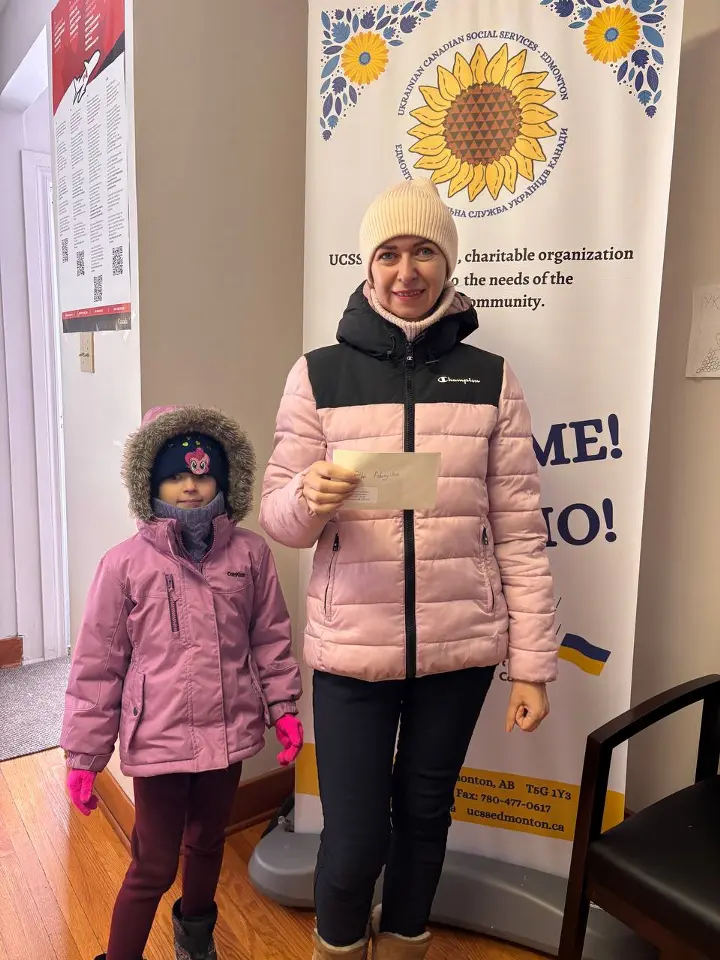
Since 2022, more than 30,000 Ukrainians have arrived in Edmonton, creating one of the most visible newcomer communities in Alberta. Many arrived with nothing but a suitcase, facing language barriers, housing shortages, food insecurity, and disrupted education. Ukrainian Canadian Social Services – Edmonton (UCSS) has become the only Ukrainian-specific agency in the city still providing full-time social and settlement support. In 2024 alone, we supported over 5,000 clients, most of them mothers with children and youth.
With Field Law’s support, UCSS will strengthen our emergency settlement response, which meets families at the point of crisis and builds a pathway to independence. This includes:
Grocery gift cards and transit passes so families can access food and transportation with dignity.
Short-term housing support when families arrive with nowhere to stay.
A Settlement Worker who helps newcomers navigate schools, universities, and language training.
Guidance on employment, benefits, healthcare, and legal processes.
Translation of critical documents, ensuring access to services.
Case management and referrals so no family is left behind.
This project changes lives. A child placed in school within weeks, instead of months, regains stability. A mother who receives food and transit support can focus on finding work. A young adult who passes CELPIP gains entry to university and a career path. Each family stabilized ripples outward — lowering pressure on schools, healthcare, and emergency services while strengthening our community as a whole.
UCSS is not only a safety net but also a bridge. We meet urgent humanitarian needs today, while opening pathways to education, employment, and belonging tomorrow. With Field Law’s investment, we can ensure that hundreds of Ukrainian families fleeing war are not just surviving in Edmonton — they are beginning to thrive.
Who Will Benefit?
This project will directly benefit Ukrainian newcomer families who have fled the war and are now rebuilding their lives in Edmonton and the surrounding Capital Region. Since 2022, more than 30,000 Ukrainians have arrived in the area. In 2024 alone, Ukrainian Canadian Social Services – Edmonton (UCSS) supported over 5,000 individuals — a number that continues to rise.
The majority of clients are:
Mothers with children: Many fathers remain in Ukraine, leaving mothers as the sole caregivers. These families are at high risk of food insecurity, housing instability, and social isolation.
Children and youth: Young people need to be placed quickly into schools, ESL programs, Saturday heritage schools, and post-secondary institutions so they don’t lose years of education.
Young adults (18–29): Many arrive mid-way through their studies or careers and require support with CELPIP, credential recognition, and job training to build sustainable futures.
Seniors and vulnerable adults: Often arriving with limited English and no income, seniors depend heavily on settlement supports for healthcare, housing, and daily living needs.
Beyond individual clients, this project benefits the broader community. When families are stabilized with food, housing, transit, and education supports, pressure on schools, emergency shelters, and health systems is reduced. Employers gain access to job-ready newcomers. Children who are integrated into classrooms enrich their peers’ understanding of resilience and diversity.
The impact is not just short-term crisis response. Families who receive support through UCSS often “pay it forward” — becoming volunteers, donors, or mentors once they are established. This cycle of giving back strengthens community bonds and creates a wider network of support for future newcomers.
By investing in this project, Field Law will directly touch the lives of hundreds of families and thousands of individuals in 2026, while also contributing to a more inclusive, resilient Alberta community.