
Community Pantry & Mobile Meals Initiative: Nourishing Neighbors Together
Details
Northern Alberta
Armor of Light Recovery Society


The Idea
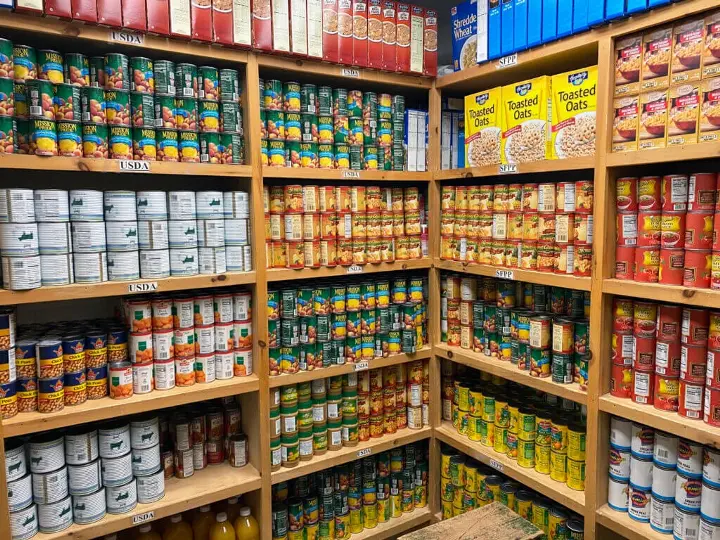
The "Community Pantry and Mobile Meals Initiative" aims to combat food insecurity and foster community connections by establishing accessible community pantries and a mobile meal service. This dual approach will ensure families and individuals in need have the resources required to lead healthier lives, promoting collaboration within the community.
Key Components:
1. Community Pantry Locations:
Small, accessible pantry stations will be set up at strategic locations (e.g., schools, libraries, community centers) where residents can anonymously donate and retrieve food and essential items, creating a no-judgment zone.
2. Mobile Meals Service:
A mobile meal program will deliver healthy, prepared meals to individuals and families in underserved areas, especially targeting the elderly and those with limited mobility. Regular meal deliveries will reduce barriers to accessing nutritious food.
3. Volunteer Network:
We will recruit and train volunteers from the community to manage the pantries, prepare meals, and conduct outreach. Engaging volunteers fosters connections and encourages residents to support one another.
4. Partnerships with Local Food Providers:
Collaborating with local grocery stores, farms, and food banks will help secure food donations and establish a sustainable supply chain, alleviating waste while providing vital resources.
5. Education and Workshops:
Workshops on nutrition, meal planning, and cooking on a budget will empower participants with skills for healthier food choices and promote healthy eating habits.
Community Impact:
The initiative will significantly benefit those facing food insecurity, enhancing overall community well-being. The integration of community pantries and mobile meals ensures no one goes without essential resources.
Originality and Innovation:
By combining two effective strategies, this initiative offers an inclusive, stigma-free approach, setting it apart from traditional programs.
Management and Community Involvement:
Funds will be allocated for pantry setup, meal preparation, and workshops. A community steering committee will oversee operations, ensuring effective resource use. Community members will be engaged in decision-making via surveys and meetings.
In summary, the "Community Pantry and Mobile Meals Initiative" will address food insecurity, strengthen community ties, and create a healthier, more resilient neighborhood through collaboration and support.
Who Will Benefit?
1. Low-Income Families: Families struggling to make ends meet will gain direct access to nutritious food and essential items, reducing stress and improving their overall quality of life.
2. Elderly Individuals: Older adults often face mobility issues and may have limited access to transportation. The mobile meal service will ensure they receive healthy meals delivered right to their doors, promoting better health and nutrition.
3. Single Parents: Single parents juggling work and childcare often struggle with time to prepare healthy meals. This program provides convenient access to nutritious food options and ready-to-eat meals, easing their burden and allowing them to focus on their children.
4. Students: Children and teenagers from food-insecure households will benefit from this initiative, ensuring they have access to the nutrition needed for their growth and academic performance. Schools can collaborate to facilitate access for students in need.
5. Individuals Experiencing Homelessness: The initiative can serve those without stable housing by providing free meals and essential items, helping them meet basic needs and supporting their journey toward stability.
6. Community Members Facing Crisis: Individuals affected by unexpected hardships, such as job loss, medical emergencies, or family crises, will find support through the pantries and mobile meals, ensuring they do not go hungry during challenging times.
7. Volunteers and Community Members: Beyond those receiving services, the initiative benefits volunteers and community members involved in organizing, managing, and contributing to the program. It fosters a sense of community spirit, collaboration, and a shared commitment to improving the lives of neighbors.
8. Local Food Providers: Partnerships with local grocery stores, farms, and food banks not only help sustain the program but also provide them opportunities to engage in community support and mitigate food waste.
2. Elderly Individuals: Older adults often face mobility issues and may have limited access to transportation. The mobile meal service will ensure they receive healthy meals delivered right to their doors, promoting better health and nutrition.
3. Single Parents: Single parents juggling work and childcare often struggle with time to prepare healthy meals. This program provides convenient access to nutritious food options and ready-to-eat meals, easing their burden and allowing them to focus on their children.
4. Students: Children and teenagers from food-insecure households will benefit from this initiative, ensuring they have access to the nutrition needed for their growth and academic performance. Schools can collaborate to facilitate access for students in need.
5. Individuals Experiencing Homelessness: The initiative can serve those without stable housing by providing free meals and essential items, helping them meet basic needs and supporting their journey toward stability.
6. Community Members Facing Crisis: Individuals affected by unexpected hardships, such as job loss, medical emergencies, or family crises, will find support through the pantries and mobile meals, ensuring they do not go hungry during challenging times.
7. Volunteers and Community Members: Beyond those receiving services, the initiative benefits volunteers and community members involved in organizing, managing, and contributing to the program. It fosters a sense of community spirit, collaboration, and a shared commitment to improving the lives of neighbors.
8. Local Food Providers: Partnerships with local grocery stores, farms, and food banks not only help sustain the program but also provide them opportunities to engage in community support and mitigate food waste.