
Community Food Hubs Pilot Program
Details
Northern Alberta
The Idea
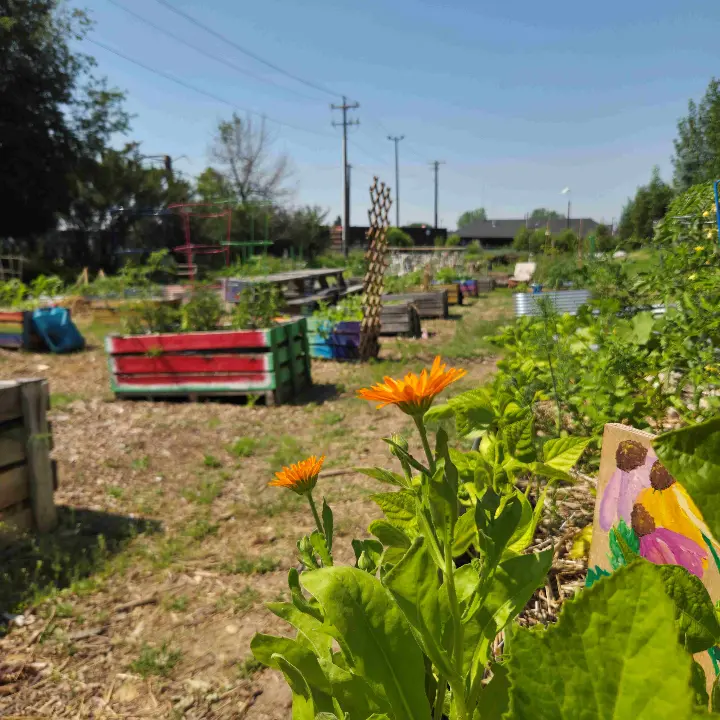
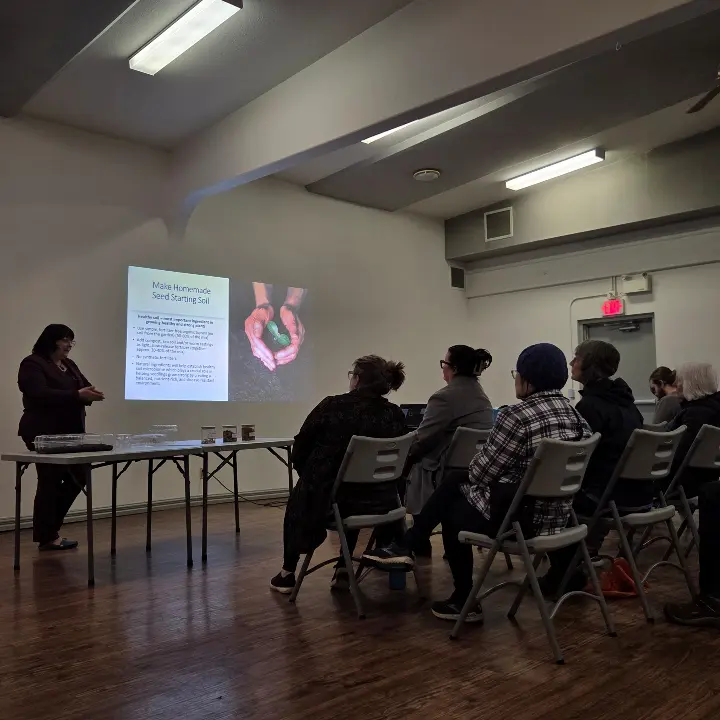
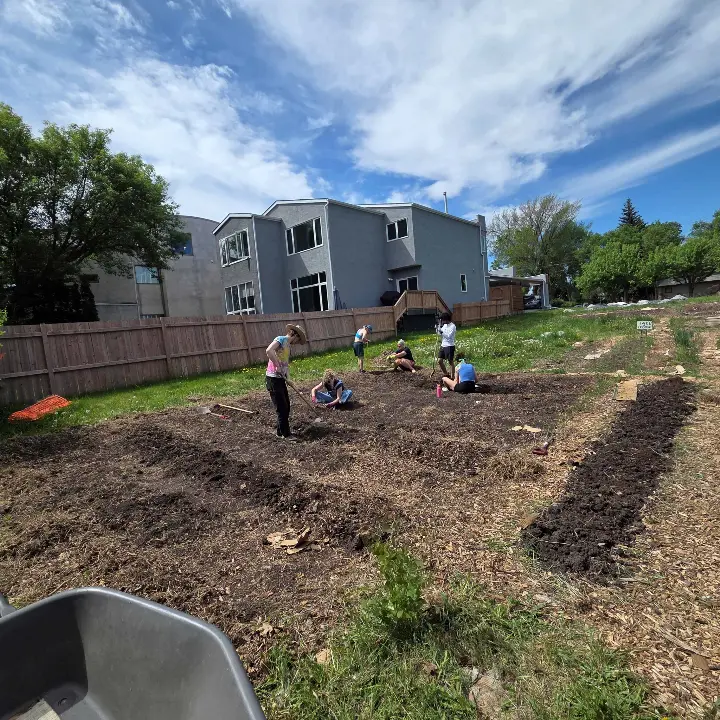
We will combine our two flagship programs, the NGM Garden Club and Community Cooks, into a pilot project, Community Food Hubs. The food hubs will activate and empower new pockets of community by using long-standing community infrastructure in Edmonton to revitalize localized food access. We envision a one year pilot with three pilot locations, each with their own Hub Coordinator (HC) hired to lead their hubs’ programs. HCs will spend the first part of the year training and organizing their hubs, gathering volunteers, learning about NGM’s program models, and collaborating with their hub location. In the Spring 2027, HCs will establish a garden program at their hub location using NGM’s existing model which teaches people how to grow their own food for free. As the garden season winds down, they will transition into processing harvests and running Community Cooks. Community Cooks has been running successfully for two years in partnership with various other community groups where participants learn how to cook large batches of a cultural dish that feeds over 100 people facing food insecurity per class. NGM’s role will be to share resources, connect partners, and enable collaborations amongst the hubs, becoming the seed of a strong and connected highly localized food supply chain. Further, community members will be able to trade credits earned through community contributions, participation, and labour, for food and groceries produced by the Community Food Hubs.
The Community Food Hub program will address three major issues: food insecurity, disconnection among community actors, and limited, high cost grocery options. While charity models like food banks provide crucial emergency food access, bolder action is needed to establish pathways towards food sovereignty, where local communities can exercise autonomy over their own food production and distribution. Community Food Hubs will combat these three issues by providing a pathway to local food sovereignty, increasing community collaboration,
and creating low cost grocery and meal options. The food hub model is well-researched and has been operating effectively in cities like Toronto and Calgary. Through our project, we will not only bring this successful model to Edmonton, but also invigorate existing community spaces like community leagues, cultural centres, and religious gathering spaces.
Who Will Benefit?
All members of the communities located around the hubs will benefit, and we hope to scale it city-wide. We have chosen and are building relationships with underutilized community spaces that are in food deserts or need more support for programming. Indigenous people, newcomers, and low-income community members are often the demographic with the highest numbers facing food insecurity and would be the communities that benefit from the food hubs.
Corporate grocery stores dominate our food consumption patterns because there are few competitive, sustainable, cultural, or accessible alternatives which leaves many people without agency over their food choices. There are many existing and disconnected programs and services working to support local food needs, but little to no collaboration to create effective systems change or alternative supply chains. Our organization’s current food programming has been successful in activating community, building food skills, and providing emergency food access but it has not been enough to provide consistent alternatives to the dominant food supply chain.
Our idea is aimed to promote year-round food programming access at the neighbourhood level while increasing community belonging and social connectedness. With rising prices in corporate stores or grocery stores being inaccessible, as well as the erasure of third spaces, community members will have more opportunities to access local programs that are free or low cost.
With access to more nutritional food and community relationships, neighbourhoods will see improvement in health and wellbeing, as well as social stability and economic growth.