
Cardiac Safe Youth
Project Brock Society
Details
Northern Alberta
The Idea
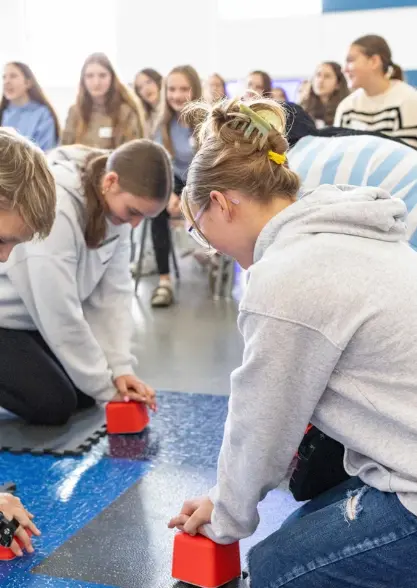
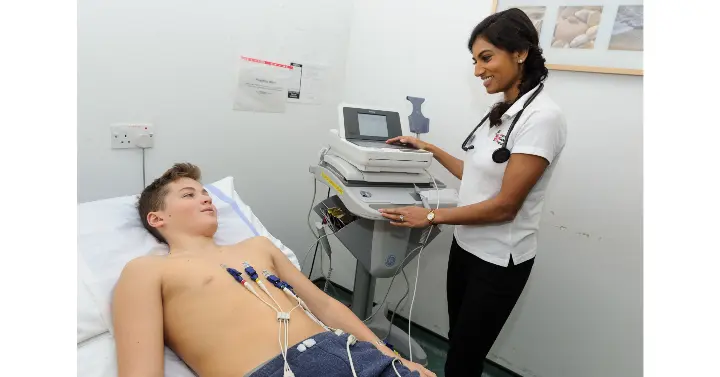
Project Brock Society wants to deliver Cardiac Safe Youth, a school-based pilot that combines youth cardiac screening, hands-only CPR and AED education, new AED placements and school emergency-readiness support. The initiative is inspired by Brock Ruether, a 16-year-old Alberta student-athlete who died following sudden cardiac arrest during volleyball practice.
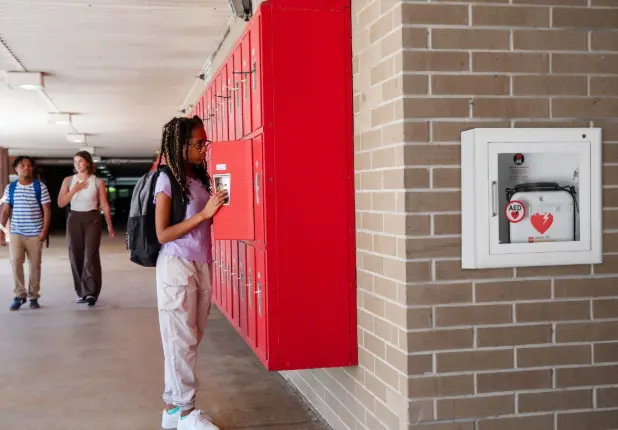
In 2027, Project Brock will work with five Alberta schools, including rural and urban communities. Approximately 300 students will be offered cardiac screening. Screening results will be reviewed by volunteer cardiac specialists through an established clinical pathway. Participating schools will also receive hands-on CPR/AED education for students and staff, with a goal of training approximately 1,000 people. Five AEDs, with cabinets and signage, will be placed in participating schools to improve access to lifesaving equipment. There is significant evidence on the efficacy of the screening and it’s value. See this recently completed study: LARGEST-EVER STUDY OF CARDIAC SCREENING IN YOUNG PEOPLE SHOWS THAT HEART CHECKS IDENTIFY RISK & 'HIDDEN' CONDITIONS - AND SAVE LIVES
The pilot will also strengthen school AED readiness by documenting device locations, registration status and preparedness gaps. This information will support Project Brock's longer-term goal of creating a clearer picture of AED access across Alberta schools and developing a scalable provincial youth cardiac-safety model.
Field Law Community Fund support would be directed to a defined portion of the pilot: AED equipment and school-based CPR/AED training resources. These investments will remain in the schools after the pilot, enabling continued student education and year-round emergency readiness for students, staff and community members who use school facilities.
Who Will Benefit?
The primary beneficiaries will be students in Grades 8 to 12 at five Alberta schools, along with educators, coaches, school staff and families. The pilot is expected to offer cardiac screening to approximately 300 youth and CPR/AED education to approximately 1,000 students and adults.
Students will benefit from practical lifesaving skills, greater awareness of sudden cardiac arrest and, for screening participants, an opportunity to identify potential cardiac concerns earlier. Educators, coaches and school staff will benefit from improved confidence and clearer emergency readiness. Each participating school will also receive an AED, cabinet and signage, improving access to lifesaving equipment throughout the year.
The project is intended to include rural and urban communities. Families outside major centres face additional barriers to specialized screening, equipment and training. The AEDs and trained responders will also benefit the broader public during school sports, community programs and after-hours events held in school facilities.