
Building Bridges Using Beaver Coexistence Video
Details
Southern Alberta
The Idea
Cows and Fish fosters stewardship of riparian areas- areas next to water, whether it be a lakeshore, streambank, or big river floodplain. These places connect land and water, and the people around them. With thoughtful management, they provide recreation, income, fish and wildlife habitat, cleaner water and more flood and drought resilient communities. New ways of thinking are sometimes needed to accomplish this work, including challenging long-held perspectives. In rural communities in particular, the topic of beavers can be very divisive --people tend to either love them, or hate them.
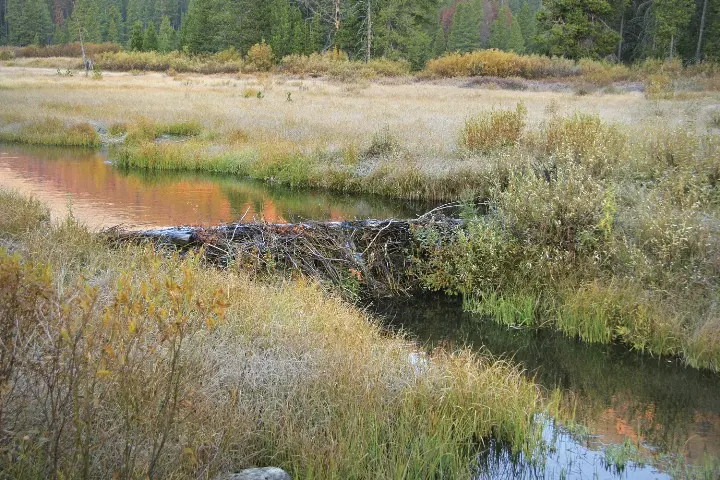
Beaver dams help slow and clean water, reduce flood peaks, and their ponds provide wetlands and deep pools for overwintering fish. For those that see them as a pest, creating problems like cutting trees, plugging culverts, and flooding land, the long-standing and usual answer has been to kill the beaver. Lethal removal is allowed but seldom addresses the problem: if there is good habitat, new beavers move in, and the conflict cycle repeats. For 3 decades we have been promoting understanding of the benefits, but also solutions to co-existence challenges. As a result of our Working with Beaver collaborative, there is now a ground swell of people that recognize that beavers bring benefits, not just headaches, and want to coexist, or if they cannot, they want beaver live trapped and moved, rather than killed. Unfortunately, in Alberta, there is no legal way to move live beavers, except with a research permit, yet people are moving them. Many people have told us they have either donated beavers to a neighbour, or received beavers, from someone who no longer wanted them. In all of these cases, there was no habitat assessment to ensure beavers could survive, no movement of the beaver family (potentially leaving some behind), no defined handling protocol, nor were there neighbourhood conversation to ensure if beavers move up or downstream, landowners they will not be lethally removed.
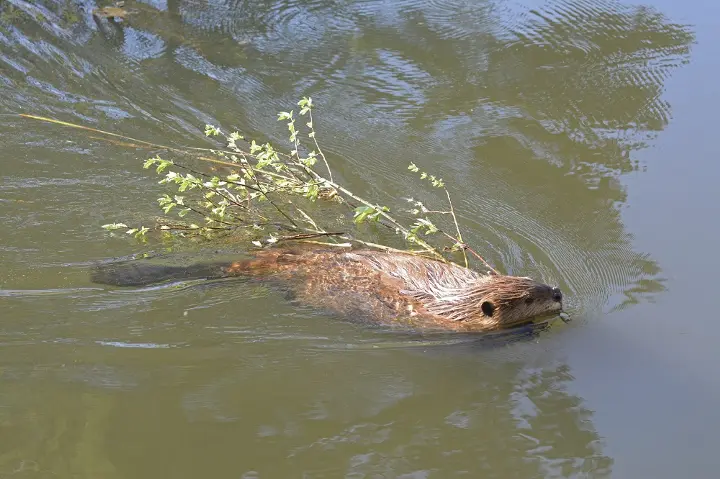
We will create a video that outlines what beavers need and why it is important that they do not get moved randomly. This will save countless beavers that would be inappropriately moved (or left behind), create more resilient watersheds with cleaner water, reduced flood and drought impacts, and build more cohesive communities as they work together. This video will be integrated into our outreach and beaver co-existence tools, and will be publicly available online.
Who Will Benefit?
Both people and wildlife will benefit from this project. Because beavers help improve water quality, store and slow water, their continued presence will benefit our drinking water, reduce water treatment costs, and provide homes for fish and wildlife that rely upon the wetlands created as a result of their beaver dams. Our focus will be in rural Alberta, where landowners have the ability to make decisions that determine if beavers will be lethally removed, live trapped and relocated, or will be allowed to remain. They will directly benefit with improved water quality, greater water availability, which can be used by livestock, or which will increase the water table for their household water wells. In addition, one of the most common things we hear from landowners when we assess riparian health is how much they value the bird and plant diversity on their land. This project will support these wildlife, and expand an appreciation of nature - a real value to those that live on and visit these places since healthier sites have more diversity of birds, and can also support more beavers. Often, landowners do not realize that removing beavers will have ripple effects, as they are trying to address a problem (eg. plugged culvert and flooded road), without seeing the full consequences. In our work, we can offer co-existence techniques, such as pond levellers and culvert exclusion, that can enable them to co-exist with the beavers, instead of removing them. Ultimately, everyone that drinks water will benefit (that means everyone!), in addition to the benefits to beavers, fish and aquatic life in our streams.