
Layer by Layer: Bridging Everyday Accessibility Gaps Through Personalized Assistive Devices
Details
Northern Alberta
The Idea
Everyday activities that many people take for granted—turning on a faucet, carrying a drink, accessing a phone, or participating in play—can become significant barriers for people with disabilities. Commercial assistive devices can be expensive, difficult to access, or poorly suited to an individual’s needs. Layer by Layer Assistive Devices Club at the University of Alberta was created to bridge this gap.
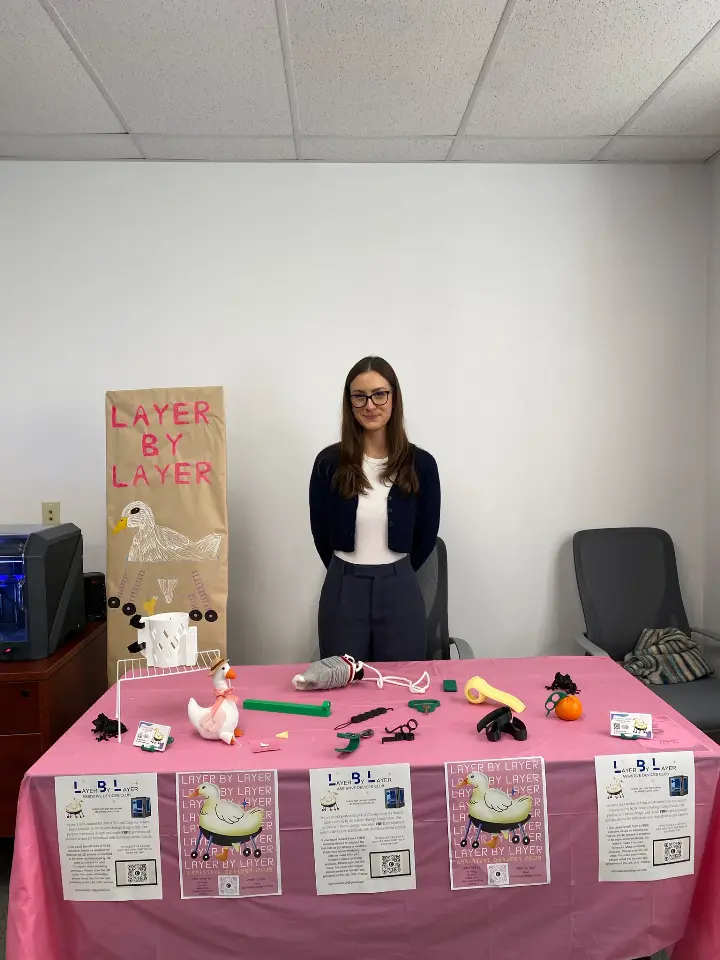
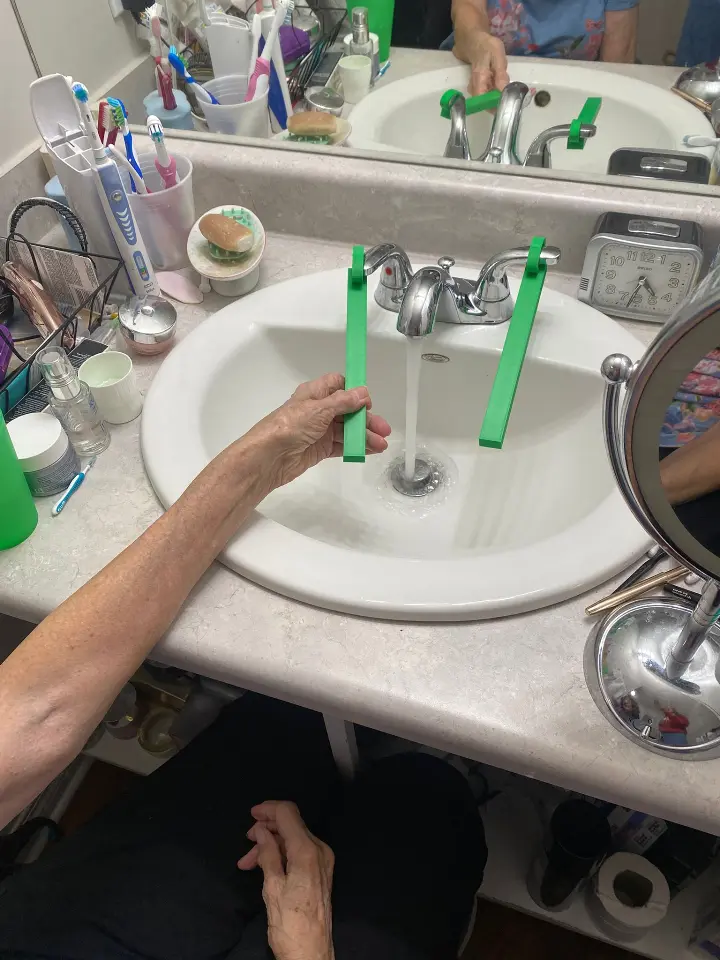
Layer by Layer is a student-led, multidisciplinary club of 45+ students from occupational therapy, physiotherapy, engineering, computing science, and other programs. We design and create free, individualized assistive devices for people with disabilities across Canada, primarily through 3D design and printing. We have already created 40+ devices, including extended tap handles for wheelchair users, wheelchair armrest extensions, and custom finger ring splints.
My vision is to transform Layer by Layer from a university club into a sustainable nonprofit organization that continues serving people with disabilities long after I graduate from my Master of Occupational Therapy this year. I want to build an organization that can continue growing its community impact while the club at UofA is passed down to future students.
Field Law funding would help establish the foundation for this transition while increasing our ability to serve more people. Funds would support additional 3D printers, a filament recycling system to reduce waste, filament and other materials, switches, wiring, tools, and shipping costs for delivering devices across Canada.
With greater capacity, we could address more complex barriers in daily living, mobility, communication, and participation, while expanding into inclusive play. Future projects could include miniature AAC modelling toys for children and adaptive gaming equipment for teens and adults.
The impact extends beyond each device. Recipients gain greater independence and opportunities to participate, while students develop hands-on skills in 3D printing and design, collaboration, universal design, and creativity. Most importantly, this funding would help turn a successful student initiative into a lasting community resource that will address everyday barriers individuals with disabilities struggle with and provide individualized tools to overcome them at no cost to the recipient.
Who Will Benefit?
Layer by Layer (LBL) primarily benefits people across Canada with disabilities who experience barriers in everyday activities. This includes children, adults, and seniors with physical disabilities, mobility limitations, neurological conditions, and neurodivergence who may need individualized solutions to make daily tasks more accessible.
Many commercial assistive devices are designed for broad populations and may not fit a person’s body, environment, abilities, or goals. Others can be costly or difficult to access. LBL addresses this gap by creating personalized devices at no cost to the individual.
Our projects are driven by needs we receive in requests from individuals, families, caregivers, club volunteers, and community professionals. We have created extended tap handles to help wheelchair users access sinks, wheelchair phone and cup holders to make transporting belongings easier, adapted door knobs to change a circular door handle into a lever option, and many more projects designed to support autonomy and convenience cost-effectively.
With increased funding, LBL will support more individuals and expand the range of needs we can address, including mobility and daily living, communication and technology access, and inclusive recreation and play. We've already received over 40 device requests from individuals located in and around Alberta, and have included volunteers into our club living as far away as Toronto.
The benefits also extend to families and caregivers. When an individual can complete an activity more independently, caregivers and families may spend less time assisting and experience a reduced load for caregiver burnout. The project also benefits 45+ University of Alberta students involved in LBL. Students from occupational therapy, physiotherapy, engineering, computer science, and other disciplines gain practical experience collaborating with people with disabilities and designing solutions around real-world needs. This helps develop a future workforce that understands accessibility as something that should be built into everyday life, regardless of their work discipline.
Ultimately, LBL reduces barriers for individuals, supports greater independence and participation for families, develops meaningful interdisciplinary skills in students, and demonstrates that accessible solutions can be creative, personalized, timely, and affordable.